Cultural Heritage as a Human Right
This program promotes a human rights-based approach to cultural heritage by fostering inclusive growth and ensuring equal opportunities for all. It focuses on embedding inclusion and diversity across the organisation’s core activities, directly contributing to its key outcomes. Through a human-centred approach grounded in mutual respect and open intercultural dialogue, the program strengthens and complements the organisation’s main areas of work.
A key component of the program is the prioritisation of activities that advance Gender Equality,Minority Ethnic Groups, People with Disabilities, Women, and Youth. By addressing structural
inequalities and promoting active participation, the program aims to create more equitable access to cultural heritage and cultural life.
In the area of gender equality, the program aligns with the European Union Gender Equality Strategy 2020–2025, promoting a society in which women and men, girls and boys, in all their diversity, have equal opportunities to participate, thrive, and lead. Through strategic partnerships with relevant organisations, the program supports a holistic and inclusive approach, ensuring that gender equality principles are integrated across all project activities.
The program also addresses the challenges faced by minority ethnic groups in Kosovo, where social marginalisation continues to impact access to cultural life, education, and development opportunities. Particular attention is given to Roma, Ashkali, and Egyptian communities, which remain among the most vulnerable. To strengthen inclusivity in the cultural heritage sector, the program establishes cultural focus groups to identify challenges and develop tailored solutions, building on existing models and expanding them to other minority communities.
In parallel, the program works to improve access for people with disabilities by identifying physical and interpretative barriers in cultural heritage sites, museums, and galleries. It supports the development of accessibility guidelines and promotes their integration into infrastructure interventions, ensuring that accessibility becomes a standard component of heritage
management.
The program further recognises the need to highlight women’s roles and contributions, particularly in the field of intangible cultural heritage, where they are often underrepresented. By
establishing a dedicated Women Cultural Focus Group, the program promotes women as key actors in preserving and transmitting cultural identity.
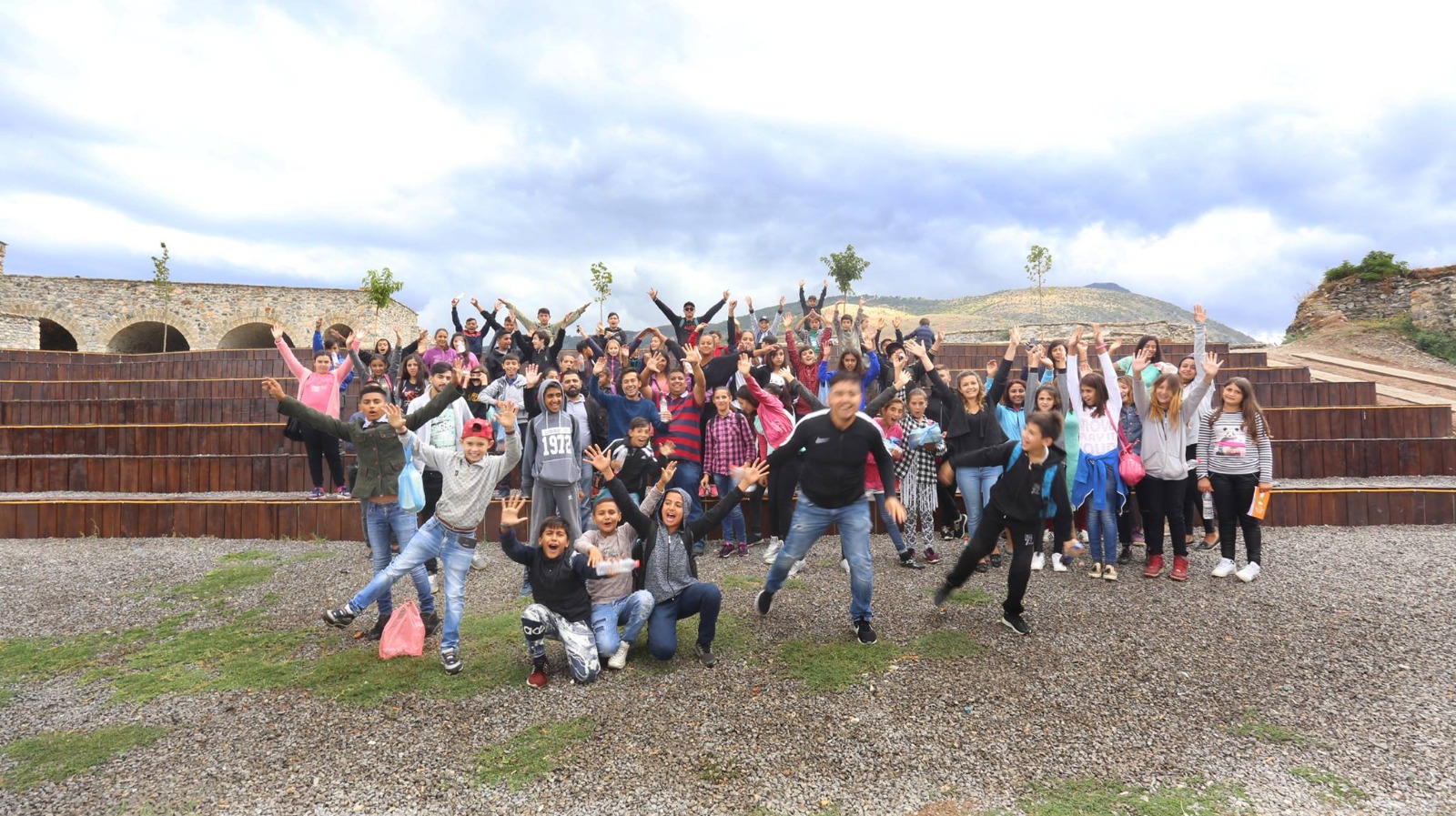
Finally, the program supports youth engagement by creating opportunities for learning,exchange, and participation. It continues to work with young people from Roma, Ashkali, and Egyptian communities through learning centres, while also establishing a Youth Cultural Heritage Exchange Platform. This platform encourages intercultural dialogue, raises awareness of shared heritage, and promotes values of human rights and cultural diversity through both educational and practical activities.
Overall, the program creates a comprehensive framework for integrating human rights principles into cultural heritage practices, strengthening social inclusion, fostering intercultural
understanding, and enhancing equal participation in cultural life.