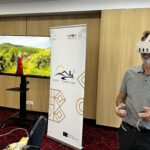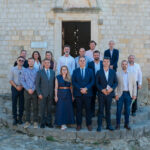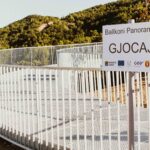
As part of the evaluation process, visits have been made to the main areas of CHwB’s operations: Kosovo and Bosnia-Herzegovina. The impressions from the visits are described in a separate chapter below and will not be summarised here. Suffice it to say that the projects reviewed represent a vast area of actions, from the restoration of particular buildings to a wider involvement in urban planning. Added to that, CHwB has been the main force in a number of important regional networks aimed at capacity building and a closer cooperation between various stakeholders in the cultural heritage arena in several Balkan countries. The aim of a drawing institutions and professionals closer to European best practices has been apparent in these activities.
An important factor for the acceptance and credibility of CHwB in the region seems to be the strong reliance on people from the area having responsibility for current activities. Local stakeholders interviewed have also underlined the flexibility and directness of decision-making within the organisation. This was often mentioned in contrast to other international agencies, where a lot of paperwork or several hierarchical levels seem to have been involved in the cooperation.
Training programs and assistance with developing Europeanised legislation regarding the preservation of cultural heritage in Kosovo as well as in Bosnia-Herzegovina are clearly important capacity-building measures. It is obvious that the Kosovo office has been very successful in this respect in several ways. One of these has been the training of young architects, both those employed by the office itself and those who have followed courses or seminars arranged over the last few years. Another way has been the involvement of CHwB in projects that have engaged whole communities, like the urban plan in Prizren or the Junik preservation and development plan. In these cases, experiences and methods from other countries have been implemented in a Kosovo setting.