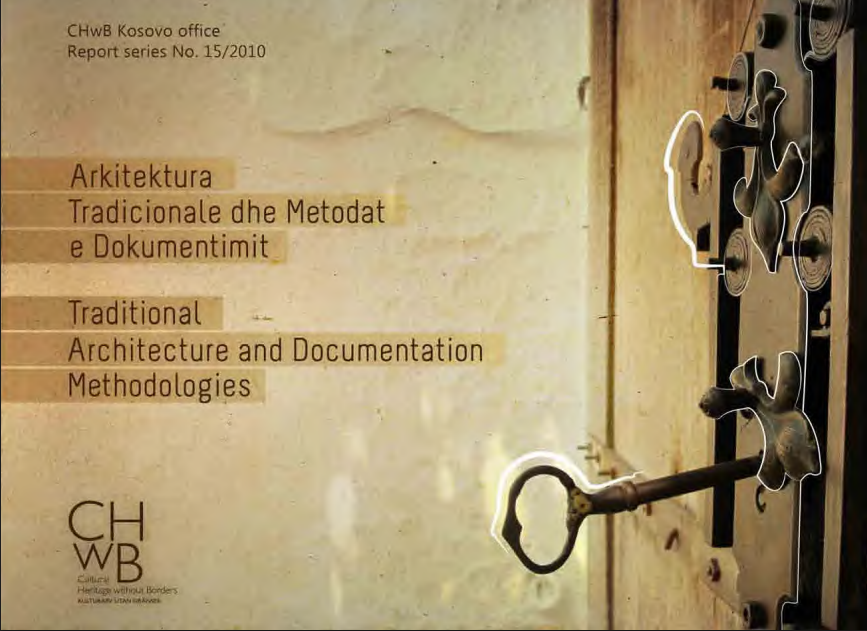
Prizren, often referred to as the ‘cultural capital of Kosovo’, is also one of the cities richest in cultural heritage in the Balkans. This is represented through its methods of construction and a wealth of sacred and civic monuments (consisting of mosques, churches, tekkes and bridges as well as traditional houses) with archaeological investigations testifying to a high level of cultural development dating from prehistoric and Roman times. Its spiritual monuments complete the rich urban mosaic by giving meaning to the social and religious traditions and ways of life of the town. In addition to religious edifices, Prizren’s cultural assets also comprise numerous traditional vernacular dwellings, constructed during the 18th and 19th centuries, and about which there have been many professional, scientific analyses documenting the architectural and urban characteristics of these residential buildings. These buildings’ architectural and urban characteristics enable us to understand the evolution of function and development of construction, and play a vital role in the architectural expression of Prizren and its surroundings. Some of these valued buildings have survived until now – the houses of Musa Shehzade, the Pomaku, Grazhdo and Dukagjini families, and of Adem Aga Gjoni – among many others that are characterised by their spatial arrangements and rich interiors. A number of them have already been documented while a considerable number are still waiting to be recorded.
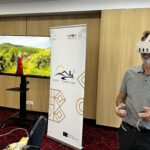
Digitising Cultural Landscapes – The Case of Ulpiana — A Digital & VR Heritage Exchange
Over the course of three days, the “Digital Technologies for Cultural Landscapes” project brought together professionals and participants from the...