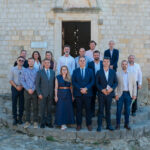
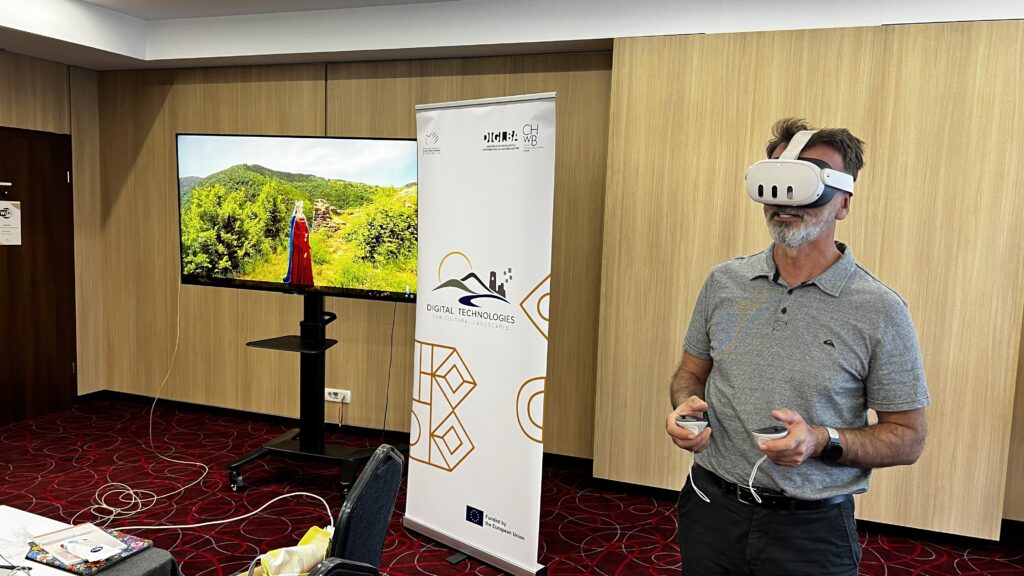
Over the course of three days, the “Digital Technologies for Cultural Landscapes” project brought together professionals and participants from the fields of cultural heritage, digital technologies and archaeological site interpretation, placing Ulpiana at the centre of discussions and practical work.
The activity included field visits, presentations, virtual reality (VR) exercises and collaborative brainstorming sessions, focusing on new opportunities for experiencing, interpreting and promoting cultural heritage.
Day One: Exploring the Archaeological Site of Ulpiana
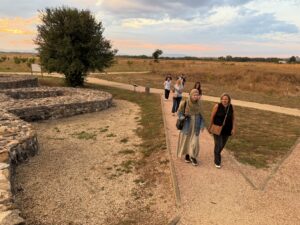
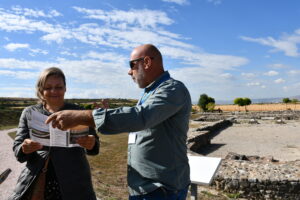
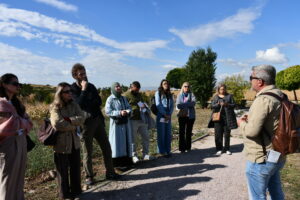
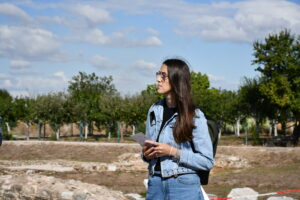
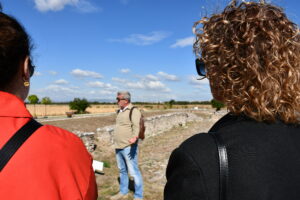
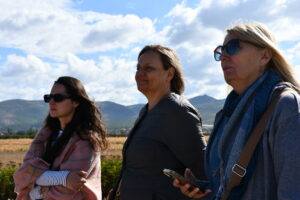
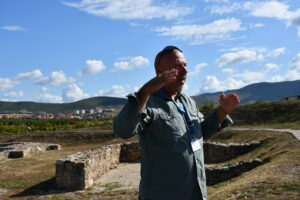
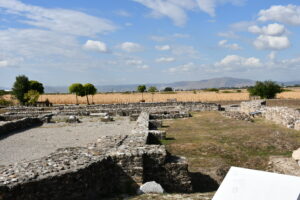
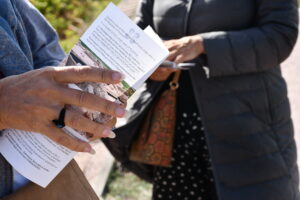
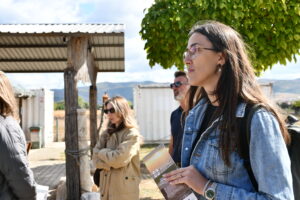
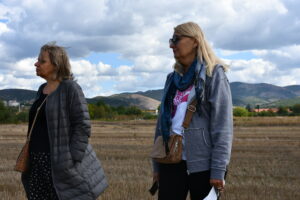
The conference began with a visit to the archaeological site of Ulpiana, where participants explored the site and gained a closer understanding of its cultural heritage values.
The field visit served as a starting point for discussions on approaches to site interpretation, visitor experiences and the potential of digital technologies to enhance the presentation of the archaeological site.
Day Two: Exchange of Experiences and VR Technologies
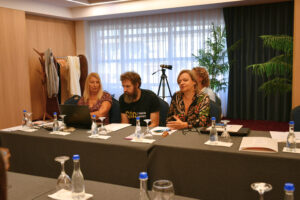
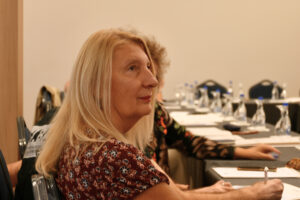
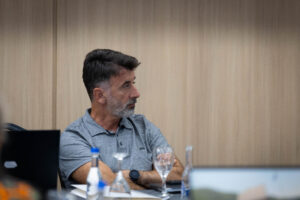
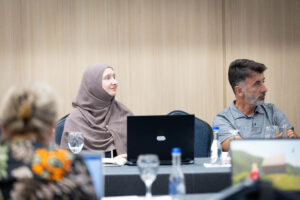
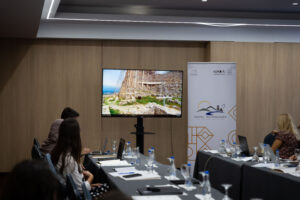
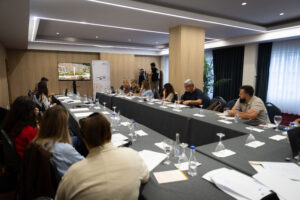
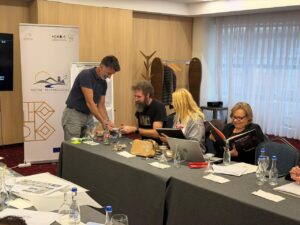
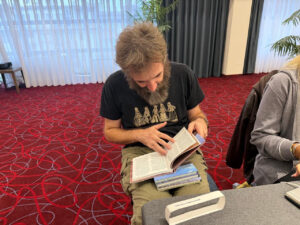
The second day took place at Hotel Sirius in Prishtina and focused on presentations, knowledge exchange and practical exercises.
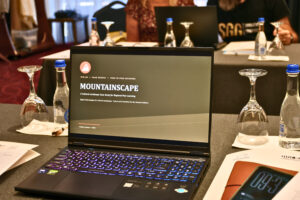
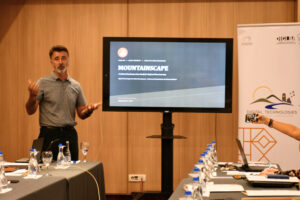
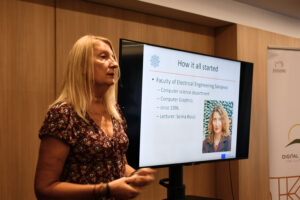
Sali Shoshi from CHwB Kosovo presented the Mountainscapes Project, while Selma Rizvić and Bojan Mijatović from DIGI.BA shared their experience and expertise in digital cultural heritage and virtual reality applications.
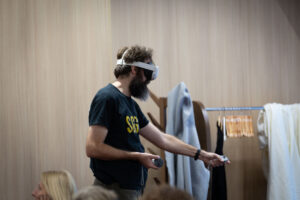
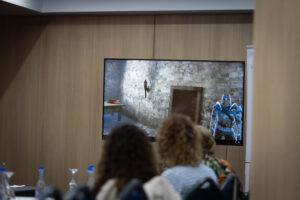
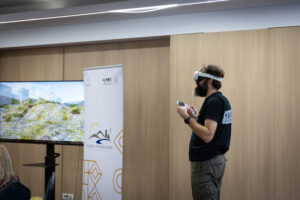
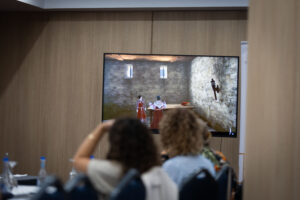
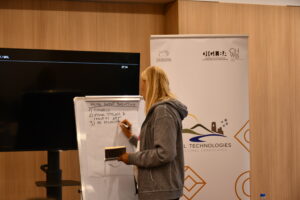
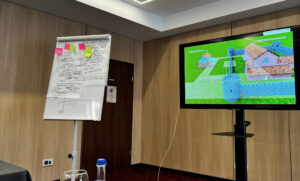
Through practical VR exercises, participants explored new ways of experiencing and interpreting cultural heritage. The programme also included brainstorming sessions focused on developing ideas for the interpretation and visitor experience at Ulpiana.

Day Three: From Fieldwork to a Digital Interpretation Concept
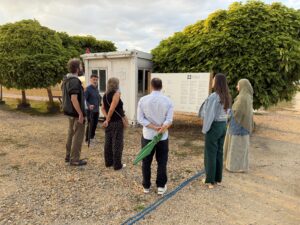
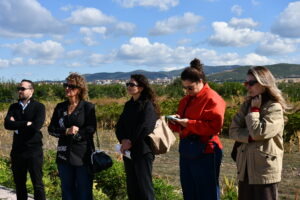
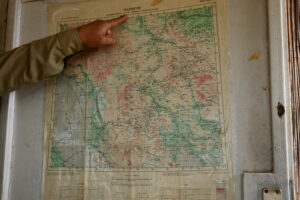
The third and final day began with a return to the archaeological site of Ulpiana, where participants engaged in a series of field activities. The agenda included mapping interpretation points, reviewing field evidence, analysing visitor routes and experiences, and assessing opportunities identified by DIGI.BA.
Following the fieldwork, the programme continued in Prishtina with the development of a map of field interpretation and digital opportunities for Ulpiana. Participants worked on an initial framework for the site’s digital interpretation concept, discussing ideas and opportunities for the future.
The day concluded with discussions on future priorities, the transferability of ideas to other contexts, and the next steps for collaboration. DIGI.BA’s experience in digital cultural heritage and VR technologies contributed to the exchange of knowledge and the exploration of new approaches to interpreting Ulpiana.
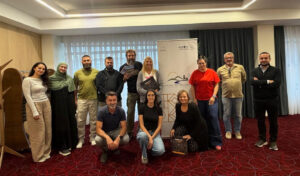
Collaboration for a Digital Future of Cultural Heritage
The three-day activity created space for collaboration among professionals, knowledge exchange and the development of practical ideas for using digital technologies in cultural heritage.
By combining fieldwork, discussions and digital tools, the project aims to contribute to new approaches to interpreting cultural sites and enhancing visitor experiences.
Supported by the Regional Office of the Italian Agency for Development Cooperation in Tirana.
“The Digital Technologies for Cultural Landscapes” project is funded by the European Union.